









NoonPost NoonPost

NoonPost

  • Home
  • Politics
  • Economy
  • Society
  • Culture
  • Files
  • Long Reads
  • Podcast
AR
Notification Show More
نون بوست
“There Are Nights I Can’t Close My Eyes”: How Gazans Are Living in Homes on the Brink of Collapse
نون بوست
From al-Jolani to Ahmad al-Shara: The Evolution of Syria’s New Leader
نون بوست
When Political Islam Receded in Egypt: Who Filled the Void?
نون بوست
An Extension of Genocide: Gaza’s Detainees Speak Out
نون بوست
A Tightrope Between Survival and Sovereignty: The Syrian Government Faces Normalization Pressures
نون بوست
American Aircraft Carriers: Has the Era of “100,000 Tons of Diplomacy” Ended?
نون بوست
U.S. Regime‑Change Policies: Why They Are Destined to Fail
نون بوست
Transformations of Israeli Judaism: Between the Victim Complex and the Colonizer’s Doctrine
نون بوست
The Gulf’s Balancing Act: Iran, Israel, and Hidden Links
نون بوست
Iraq–Turkey Oil Export Treaty: Why Did Ankara Cancel It After 52 Years?
نون بوست
Syria’s Northeast on Edge: QSD Between Ankara and Damascus
نون بوست
Has Europe Changed Its Stance on Israel… or Just Its Language?
NoonPost NoonPost
AR
Notification Show More
نون بوست
“There Are Nights I Can’t Close My Eyes”: How Gazans Are Living in Homes on the Brink of Collapse
نون بوست
From al-Jolani to Ahmad al-Shara: The Evolution of Syria’s New Leader
نون بوست
When Political Islam Receded in Egypt: Who Filled the Void?
نون بوست
An Extension of Genocide: Gaza’s Detainees Speak Out
نون بوست
A Tightrope Between Survival and Sovereignty: The Syrian Government Faces Normalization Pressures
نون بوست
American Aircraft Carriers: Has the Era of “100,000 Tons of Diplomacy” Ended?
نون بوست
U.S. Regime‑Change Policies: Why They Are Destined to Fail
نون بوست
Transformations of Israeli Judaism: Between the Victim Complex and the Colonizer’s Doctrine
نون بوست
The Gulf’s Balancing Act: Iran, Israel, and Hidden Links
نون بوست
Iraq–Turkey Oil Export Treaty: Why Did Ankara Cancel It After 52 Years?
نون بوست
Syria’s Northeast on Edge: QSD Between Ankara and Damascus
نون بوست
Has Europe Changed Its Stance on Israel… or Just Its Language?
Follow US

Another Face of Genocide: Gaza’s Medicine Siege

أحمد الطناني
Ahmad Tanani Published 26 March ,2026
Share
نون بوست
نون بوست

While images of famine in Gaza have become the most visible symbol of the deadly blockade imposed by Israeli authorities for years, tightened further by the ongoing genocidal war and reaching its peak with the total closure of crossings in early March after the Israeli government’s reversal of a truce path—the blockade’s consequences extend far beyond hunger. It now threatens the very ability of Gazans to survive, not merely to endure.

Official statistics may capture the death toll from direct bombings or starvation, but they fail to reflect other, slower, invisible forms of death. These are a direct extension of the blockade’s policies and tools of extermination. As a result, the real number of victims is likely far greater than those listed by the Ministry of Health or UN agencies.

One of the most acute facets of this crisis is the pharmaceutical and medical supply sector. Israel has imposed a suffocating blockade that prohibits the entry of virtually all medical aid into the besieged territory, even as Gaza’s health system undergoes an unprecedented and relentless depletion of resources.

This depletion stems from Israel’s ongoing killing machine, the effects of starvation and malnutrition that weaken immune systems, and the ban on patient transfers for treatment abroad. These pressures overwhelm a health system already destroyed by targeted Israeli strikes, with the majority of hospitals rendered non-functional.

A Pharmaceutical Catastrophe Beyond Statistics

What’s unfolding in Gaza is no longer a temporary health crisis—it is a full-scale collapse that defies mere numbers. Under an intensifying blockade and widespread destruction of healthcare infrastructure amid a continuous war of extermination, the healthcare system can no longer deliver even the minimum life-saving care. This marks one of the harshest medical disasters of the modern era.

According to the Ministry of Health, around 47% of essential medications are completely out of stock, and 65% of medical consumables are unavailable. Supplies for emergency care, intensive care, and surgeries are nearly exhausted.

Half of maternal health medications have not entered Gaza for over three months, while more than 190 UNFPA medical aid trucks have been denied entry, worsening the crisis.

This breakdown has been lethal for the most vulnerable. Over 80,000 diabetes patients and 110,000 people with hypertension are now without primary care. Supplies for treating blood disorders and cancer have dropped by 64%.

Official figures indicate that 41% of kidney failure patients have died due to lack of access to regular dialysis. Cardiac catheterization and heart surgery services are operating at only 1% of capacity.

Children are not spared. Forty-two percent of routine childhood vaccines—such as polio—have run out, raising fears of deadly outbreaks among displaced populations lacking clean water and sanitation. The shortage of dermatological medicines has led to widespread infections in camps and households, where weak topical substitutes offer little relief.

The psychological toll has also worsened. Interruptions in psychiatric and neurological medications have led to increased seizures and mental breakdowns, while trauma from displacement, constant danger, and daily death has triggered new psychological cases.

Even international medical teams in Gaza have not escaped this collapse. Many are rationing their supplies, resorting to less effective alternatives, or halting some treatments altogether. Painkillers, antibiotics, and anesthesia drugs are nearing total depletion, according to reports from global health institutions.

In this context, the World Health Organization estimates that 11,000 to 13,000 patients—among them 4,500 children—require urgent medical evacuation. These cases cannot wait; there are no local capacities left to meet even the most basic medical needs.

What’s unfolding is silent execution: the deliberate denial of treatment and the systematic drying up of Gaza’s medical lifeline. Medicine has become a weapon, and the blockade a means of slow, methodical genocide—no less brutal than bombardment, perhaps even more so.

The Medical Blockade as a Weapon of Genocide

The collapse of Gaza’s healthcare system cannot be understood apart from the broader war Israel has waged on the enclave. The siege, in place since 2007, reached its most extreme form after October 2023. Israeli policies toward Gaza’s health sector are not incidental; they are part of a deliberate strategy that weaponizes medicine.

A position paper by the Palestinian NGO Al-Awda Health and Community Association outlines this as a three-tiered system:

1. Systematic Depletion of Medical Stocks
Israeli authorities have placed strict limits on the entry of medications and medical supplies—even during ceasefires—resulting in the gradual exhaustion of hospital and clinic inventories. UN shipments for pregnant women, infants, and mental health patients were blocked, compounding the crisis long before its current peak.

2. Targeting Health Infrastructure
Beyond restrictions, Israeli forces have directly and indirectly targeted hospitals, clinics, and medical warehouses. Hundreds of facilities have been destroyed, including most major hospitals, leaving medical staff unable to treat war-wounded or chronically ill patients.

3. Marginalizing the International Community
Though international organizations are fully aware of the health catastrophe, efforts to break the siege or deliver emergency medications have largely failed. Many agencies have had to ration their own supplies in Gaza, suspend surgeries, and resort to basic painkillers and ineffective substitutes. This marks a shift from an international role of protection to one of helpless spectatorship.

The paper concludes that the situation stems from a clear political-military decision by Israel to use the medical blockade as a strategic tool to dismantle Palestinian society and force Gaza’s population into surrender or silent death.

In Gaza today, illness and injury have become death sentences—carried out through a shattered health system, without medicine, equipment, or even a chance at survival.

Expired Medicines: A Desperate Option

Gaza’s medical crisis is not just about scarcity or absence. It has reached a dangerous new phase in which patients are forced to use expired medications amid total stockouts and no alternatives. This option, while often unavoidable, carries serious risks and could trigger new health disasters worse than the original illnesses.

Chronic patients are hit the hardest. Their conditions require strict adherence to medication regimens to avoid relapse. But with deteriorating nutrition, weakened immunity, and the spread of infections in overcrowded, unsanitary displacement zones, the need for antibiotics and skin/fungal treatments—especially for children—is acute.

Many patients now resort to expired drugs without understanding which ones may be safe under certain conditions and which are dangerous. Pharmacist Mohannad Jamal told Noon Post that self-medicating with expired drugs can be extremely hazardous. Some may lose efficacy without harm, but others can cause severe poisoning or complications. He emphasized consulting specialists before use.

Jamal warned that missed treatments can be fatal—especially for hypertensive patients at risk of strokes, or diabetics facing comas, kidney failure, or blindness. The absence of medicine is a life-threatening emergency.

Veteran pharmacist Dr. Dhul-Fiqar Suweirjo shared on social media a list of technical tips from his 40 years of experience. He noted that some expired pills may still be usable if they haven’t changed color, smell, or texture, and the packaging remains intact. However, he stressed that expired antibiotics, vitamins, and hormones should never be used due to chemical breakdowns that can cause serious harm.

Dr. Zakaria Abu Qamar, acting director of the Pharmacy Department at Gaza’s Health Ministry, explained in press comments that extending drug shelf life is a globally accepted emergency measure. The ministry had adopted it even before the current war due to the ongoing siege, and it has become more common recently. He noted that this practice is overseen by a specialized committee, which inspects medications and affixes updated expiration labels.

Abu Qamar also warned residents against using expired medicines based on personal judgment or acquiring them from unsupervised pharmacies, calling it a direct threat to life.

He added that vital services—such as primary care, cardiac surgery, dialysis, and catheterization—are now partially or entirely paralyzed due to medication shortages. If the situation continues, these services may cease completely, endangering thousands of lives.

Despite knowing the dangers, many chronic patients see no other choice. “The result is bad either way,” said Abdel Jalil Muhammad, a heart patient, in an interview with Noon Post. “But maybe the expired medicine will help… I know it’s dangerous, but I have no other option.”

In the end, Gaza’s patients face a new form of death—one that doesn’t announce itself with the roar of airstrikes, but arrives quietly: through expired pills, absent treatments, and hopeless choices. It is a layered extermination—death by bombing, starvation, poisoning, and depletion—while the world looks away.

A world that remains silent, or complicit. A world that turns its back on this ongoing massacre, practicing hypocrisy and selective outrage. The livestreamed horrors and viral images of Gaza’s suffering have yet to shake the conscience of humanity—or awaken it to a genocide unfolding in plain sight, without accountability or end.

Download this article as PDF
Share this Article
Facebook Twitter Whatsapp Whatsapp Telegram Email Copy Link
أحمد الطناني
By أحمد الطناني كاتب وباحث في الشأن السياسي
Follow:
Previous Article نون بوست How Israel Expands Its Influence Through Minority Alliances
Next Article نون بوست France and Palestine: A Hesitant Diplomacy Between

Read More

  • U.S. Regime‑Change Policies: Why They Are Destined to Fail U.S. Regime‑Change Policies: Why They Are Destined to Fail
  • The Gulf’s Balancing Act: Iran, Israel, and Hidden Links
  • Iraq–Turkey Oil Export Treaty: Why Did Ankara Cancel It After 52 Years?
  • Syria’s Northeast on Edge: QSD Between Ankara and Damascus
  • Has Europe Changed Its Stance on Israel… or Just Its Language?
part of the design
NoonPost Weekly Newsletter

You May Also Like

U.S. Regime‑Change Policies: Why They Are Destined to Fail

U.S. Regime‑Change Policies: Why They Are Destined to Fail

إسراء سيد Esraa sayed 8 April ,2026
The Gulf’s Balancing Act: Iran, Israel, and Hidden Links

The Gulf’s Balancing Act: Iran, Israel, and Hidden Links

فريق التحرير Noon Post 8 April ,2026
Iraq–Turkey Oil Export Treaty: Why Did Ankara Cancel It After 52 Years?

Iraq–Turkey Oil Export Treaty: Why Did Ankara Cancel It After 52 Years?

فريق التحرير Noon Post 8 April ,2026

الحيوان، البصلة، البرغوث .. أبرز ألقاب نجوم الكرة

أيهم المدرس
أيهم المدرس Published 1 February ,2016
Share
legends_wallpaper_by_alpgraphic13-d7xwlrj

اسم الشهرة

“أسامينا … شو تعبو أهالينا.. تا لاقوها .. وشو افتكرو فينا …”

لطالما سمعت هذه الكلمات الجميلة تنساب كالنسمة الصباحيّة العذبة بصوت السّيّدة فيروز، ولطالما تأمّلت في معانيها العميقة، فأسماؤنا، تلك التي ترافقنا من المهد إلى اللّحد، لم يكن لنا دورٌ في اختيارها، إنّما هي صنيعة أبوينا، ولكنّ ما بوسعنا اختياره –ولو نسبيًا- هي ألقابنا، أو أسماء الشّهرة التي قد تحلّ محل أسمائنا الحقيقيّة في بعض الأحيان، فاللّقب يسبغه النّاس على المرء بناءً على صفةٍ اشتُهر بها، أو مهنةٍ اشتغل بها هو أو أحد آبائه، وقد يكون تصغيرًا لطيفًا لاسمه تتداوله أسرته منذ الصغر، أو ربطًا بشخصيّةٍ أو حيوانٍ أو جمادٍ أو أيّ شيءٍ اقترن بصاحب اللقب، فهذا الصّدوق والطّيب والحيي، وذلك البدين والطّويل والأصلع، وهذا فهدٌ أو أرنبٌ لسرعته، وذلك نمرٌ أو أسدٌ لبسالته، وهذا النجّار والصيّاد والملّاح، وذلك (حمّودة وعبّدو وعمّوري)، وكثيرٌ من التفاصيل الصغيرة الأخرى في حياة الإنسان، قد تلعب دورًا في اكتسابه اللقب الذي يرافقه مدى الحياة.

مشاهيرٌ وألقابٌ عبر التاريخ
نون بوست

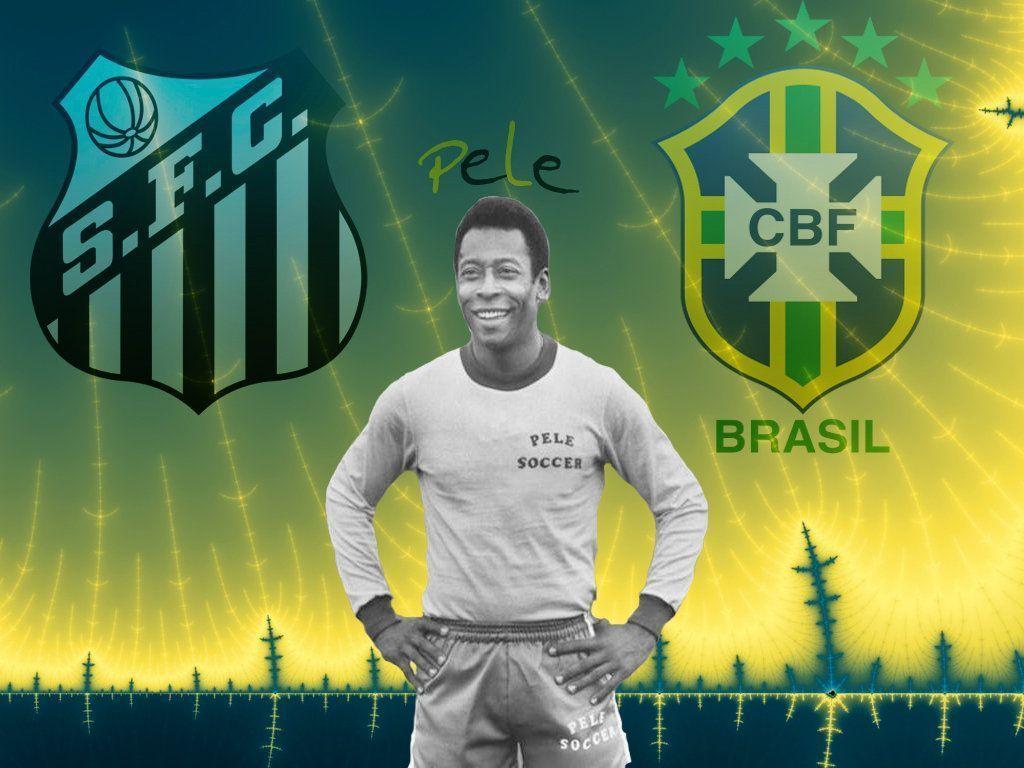
الجوهرة السوداء بيليه

بحكم أنّ الرياضة عامّةً وكرة القدم خاصّةً ارتبطت بالترفيه والمرح، وبما أنّ نجوم الكرة أصبحوا من الشخصيّاتٍ العامّةٍ وتخطّت شهرتهم حدود مدنهم وأوطانهم، فلا غرابة في اكتساب العديد منهم ألقابًا خلدت معهم في الملاعب، وحتى بعد اعتزالهم الكرة، فالقليل من النّاس يعرفون أن أديسون أرانتيس دو ناسيمينتو، هو الاسم الحقيقي للأسطورة البرازيليّة (بيليه)، والذي اكتسب لقبه هذا منذ الطّفولة عندما كان يفضّل اللعب كحارس مرمى، وهو ما تعنيه كلمة (بيليه) بالبرتغاليّة، قبل أن يتحوّل إلى أفضل مهاجمٍ أنجبته الملاعب ويكتسب لقب (الجوهرة السّوداء)، أمّا نظيره في الشّهرة والجودة دييغو أرماندو مارادونا، فرغم حمله لعدّة ألقابٍ ك(الأسطورة) و(البيلوسا) أي صاحب الشّعر الكثيف، إلا أنّ أيًّا من ألقابه لم يضاه شهرة اسمه ذي الرنّة الموسيقيّة، حاله حال مواطنه ألفريدو دي ستيفانو صاحب لقب (السّهم الأشقر)، أمّا البرازيلي مانويل دوس سانتوس، فقد غلب على اسمه لقب (غارينشيا)، وهو طائرٌ يعيش في ريو دي جانيرو حيث ولد اللاعب وترعرع.

ولم تغب الألقاب عن أساطير القارة الأوروبيّة في الستينيات والسبعينيات، فالمجري فريدريك بوشكاش اشتهر بلقب (الميجر)، وهي الرتبة العسكريّة التي شغلها في الجيش المجري، والألماني فرانس بيكينباور اشتهر بلقب (القيصر)، نظرًا لصفاته القياديّة التي تنسجم مع ملامحه الأرستقراطية، أمّا الحارس السوفييتي ليف ياشين فقد حظي بلقب (العنكبوت الأسود)، نظرًا للون لباسه ومهاراته الاستثنائيّة التي تشبه مهارات العناكب في اصطياد فرائسها، كما حمل الجناح الهولندي يوهان كرويف لقب (الطّائر) نظرًا لسرعته، والهدّاف الألماني غيرد مولر لقب (البومبر) أي المفجّر نظرًا لقوّة تسديداته، والبرتغالي أوزيبيو لقب (الفهد الأسود) نظرًا لسرعته ورشاقته.

وفي الثمانينيات ظهرت عدّة ألقاب، ك(الجوهرة البيضاء) الذي حمله البرازيلي زيكو، و(القاتل) الذي أُسبغ على الآرجنتيني ماريو كمبس صاحب الأهداف القاتلة، و(الهوليكوبتر) وهو لقب التشيلي إيفان زامورانو صاحب الارتقاء العالي، و(العم) وهو لقب المدافع الإيطالي المعمّر جوزيبي بيرغومي، أمّا اللقب الأغرب في تلك الحقبة فقد حمله النجم الإنكليزي كيفن كيغان، الذي دعت ملامح وجهه الحادّة زملاءه لتكنيته ب(الفأر العملاق)!

وفي أواخر الثمانينيات ومطلع التسعينيات، تألّق المنتخب الهولندي بقيادة (البجعة)، (زهرة التوليب السوداء) و(حبّة الثلج)، وهي ألقاب النجوم: ماركو فان باستن، رود غوليت، ورونالد كويمان، التي تتغنّى بها الجماهير الهولنديّة، بعكس الجماهير الكولومبيّة التي تتوجّس خوفًا من هفوات حارس مرماها رينيه هيغيتا وتنعته ب(المجنون)، أمّا الجماهير الفرنسيّة فلن تنسى ألقاب نجوم جيلها الذهبي الذي قادها للفوز بكأس العالم عام 1998، وعلى رأسهم زين الدّين زيدان المكنّى ب(زيزو)، وتيري هنري الملقّب ب(الغزال الأسمر)، ودافيد تريزيغيه الملقّب ب(تريزيجول)، نظرًا لغزارة أهدافه، شأنه شأن الآرجنتيني جابرييل عمر باتيستوتا الملقّب ب(باتيجول).

وفي الألفيّة الجديدة ظهرت ألقابٌ جديدة، منها التقليديّة: كلقب (السّاحر) الذي حمله البرازيلي رونالدينيو، و(السّهم الذهبي) الذي أُطلق على التشيكي بافل نيدفيد، و(الجدار) الذي أُطلق على الحارس الهولندي الصلب إدوين فان ديرسار، و(فتى مدريد المدلّل) الذي حمله نجم ريـال مدريد راؤول غونزاليس، و(الأرنب) الذي أطلق على الآرجنتيني السريع خافيير سافيولا، ومنها المثيرة: كلقب (المظلوم) الذي حمله الويلزي راين غيغز الذي لم تسنح له فرصة المشاركة بأيٍّ من كؤوس العالم، و(الخائن) الذي نعت به أنصار برشلونة النجم لويس فيغو عندما انتقل إلى خصمهم اللدود ريال مدريد، و(الظّاهرة) الذي أُطلق على المهاجم البرازيلي الفذّ رونالدو، و(المحظوظ) الذي حمله الهدّاف الإيطالي بيبو إنزاغي، و(قلب الأسد) وهو لقب قائد برشلونة الشجاع كارليس بويول، أمّا البرازيلي ريكاردو إيزيكسون دي سانتوس ليتي فقد اشتهر بلقب (كاكا)، الذي اختاره له أخوه الأصغر فيما مضى.

ولا تمثّل جميع الألقاب السابقة وزنًا على ميزان الغرابة إذا ما قيست بلقب البرازيلي إدموندو، الذي دعت مشاكساته الكثيرة الصحافة لتسميته ب(الحيوان)، وهو غير بعيدٍ عن لقب (الجحش) الذي نُعت به الآرجنتيني آرييل أورتيغا الذي قيل بأنه يركض ويرفس، فيما ذهب لقب (الكلب المتوحش) للإيطالي العنيف جينارو غاتوزو، و(التشولو) أي رجل العصابات للآرجنتيني الداهية دييغو سيميوني، و(الوحش) للبرازيلي جوليو بابتيستا صاحب البنية القويّة، فيما اختارت الصحافة اسم (شيفا) وهو أحد وحوش الكرتون، كلقبٍ يتناسب مع اسم الأوكراني شيفشينكو، و(رامبو) وهو بطل أحد الأفلام الشهيرة كلقبٍ يتناسب مع بنية الإيطالي كريستيان فييري.

نجوم اليوم

نون بوست

 البرغوث ليونيل ميسي

لا يختلف حال نجوم اليوم عن نجوم الأمس، فأغلب مشاهير المستديرة الحاليين يحظون بألقابٍ نابعةٍ من إحدى صفاتهم، فنجم برشلونة ميسي يحظى بلقب (البرغوث) نظرًا لسهولة حركته وانسلاله في دفاعات الخصوم، وندّه كريستيانو رونالدو يُلقّب ب(صاروخ ماديرا) نسبةً إلى مسقط رأسه، وأندريس إنييستا يُلقّب ب(الرسّام) نظرًا لدقّة تمريراته، والحارس إيكر كاسياس يلقّب ب(القدّيس) نظرًا لعطاءاته الكبيرة، كما يُلقب الحارس البارع جيجي بوفون ب(الأخطبوط)، والمهاجم صاحب الانقضاض السريع كارلوس تيفيز ب(الأباتشي)، أمّا لقب (المايسترو) فيحمله كلٌّ من العبقريين تشافي وأندريا بيرلو.

وفي إنكلترا مازالوا يطلقون على نجمهم واين روني لقب (الفتى الذّهبي)، كما تعتزّ جماهير العاصمة الإيطاليّة بأسطورة فريقها فرانشيسكو توتي وتلقبه ب(ملك روما)، ويحمل أديسون كافاني لقب (الماتادور) أي مصارع الثيران، وصامويل إيتو لقب (الأسد الكاميروني)، وراداميل فالكاو لقب (النّمر)، وهو ذات اللّقب الذي يحظى به باستيان شفاينيزتايغر، فيما لايزال فيرناندو توريس محتفظًا بلقب (النينو) أي الطّفل رغم بلوغه ال32، ومواطنه دافيد فيا بلقب (الخفّاش) رغم ابتعاده عن فريق الخفافيش فالنسيا.

أغرب الألقاب يحملها لاعب أتلتيكو مدريد السابق كريستيان رودريغيز، الذي دعت رائحة تعرّقه الكريهة زملاءه إلى تسميته ب(البصلة)، كما دعت القامة القصيرة زملاء سيباستيان جيوفينكو إلى تسميته ب(النملة الذريّة)، فيما يحتفظ أنخيل دي ماريا بلقب (الشعيريّة) التي شبهه بها رفقاء الطفولة، وخافيير هيرنانديز بلقب (تشيشاريتو) أي حبّة البازلاء، التي شُبهت عيناه الخضراوان بها، وألكسندر باتو بلقب (البطّة) نظرًا لطريقة مشيته، وغونزالو هيغواين بلقب(البيبيتا) أي الأنبوبة، ومواطنه سيرخيو أغويرو بلقب (كون) وهي شخصيّة ٌكرتونيّةٌ تشبهه شكلًا، أمّا نجم برشلونة لويس سواريز فلم يتخلّص بعد من لقب (العضّاض)، الذي أسبغه على نفسه نتيجة عضّاته الشهيرة.

نجومنا العرب وأشهر ألقابهم
نون بوست

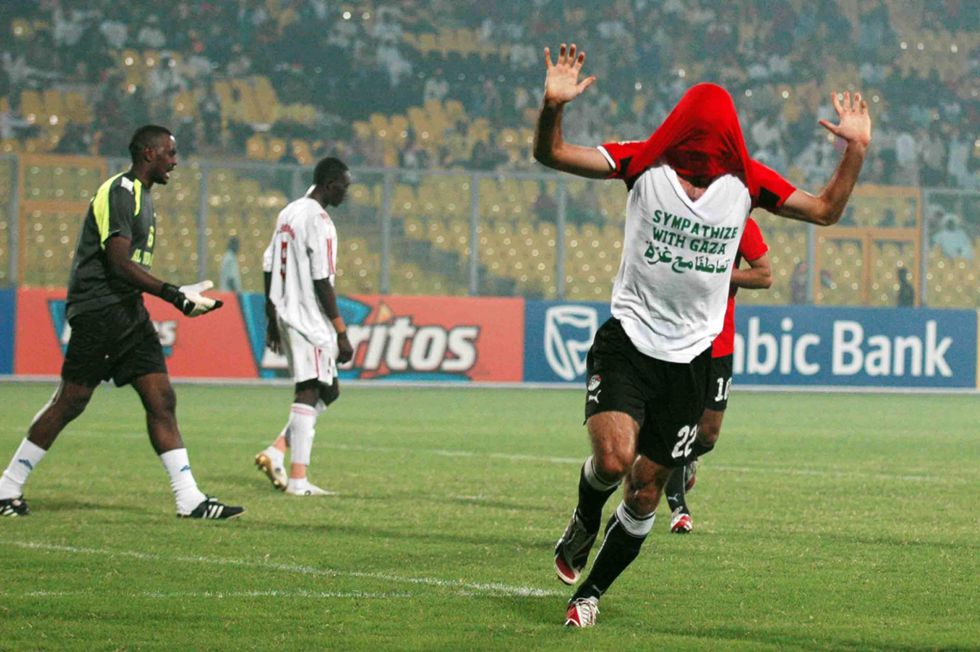
محمّد أبو تريكة ملك القلوب

تشتهر الجماهير العربيّة -ولا سيما المصريّة- بعشقها للألقاب والأسماء المختصرة أو ما يسمّى (باسم الدّلع)، فمن النادر أن تجد لاعبًا مصريًا بدون لقبٍ أُسبغ عليه من قبل من حوله، من حمادة إمام (الثعلب)، صالح سليم (المايسترو)، محمود الخطيب (بيبو)، حسن شحاتة (المعلّم)، ومجدي عبد الغني (البلدوزر)، إلى حازم إمام (الثعلب الصغير)، عصام الحضري (السّد العالي)، أحمد حسام (ميدو)، ومحمّد أبو تريكة الذي أحبّته الجماهير ولُقّبته ب(ملك القلوب)، وصولًا إلى نجوم الجيل الحالي: محمّد ناجي (جدّو)، محمود عبد الرزّاق (شيكابالا)، محمود عبد المنعم (كهربا)، محمود حسن (تريزيغيه)، ومصطفى محمود سليم الهادي صاحب اللقب الأغرب (عفروتو).

ولم تضن بقيّة الجماهير العربيّة على نجومها بالألقاب المعنّاة، ففي السّعوديّة لُقّب ماجد عبد الله ب(بيليه العرب)، وسعيد عويران ب(العالمي)، ونوّاف التمياط ب(الفتى الذهبي)، وياسر القحطاني ب(القنّاص)، وفي العراق لُقّب أحمد راضي ب(النّورس الطائر) ويونس محمود ب(السّفّاح)، وفي المغرب لُقّب أحمد مكروح ب(بابا)، وعبد الجليل حدّا ب(كاماتشو)، وفي تونس كُنّي الحارس صادق السّاسي ب(عتّوقة)، وفي الجزائر يحظى مجيد بوقرّة بلقب(الماجيك)، وفي الإمارات تستحب الجماهير تدليع نجمها عمر عبد الرّحمن بلقب (عمّوري).

وأيًّا كان الاسم أو اللّقب يبقى الفعل هو الأساس، وتبقى أسماء نجومٍ أخرى محفورةً في ذاكرة الجماهير العربيّة ولو لم ترتبط بألقاب وكنى معيّنة، فالأداء الراقي والسّيرة الحسنة داخل المستطيل الأخضر وخارجه، كفيلةٌ تمامًا برفع اللاعب إلى مصاف الأساطير الرياضيّة الخالدة.

TAGGED: إحتراف كرة القدم ، اللقاب مشاهير كرة القدم ، نجوم كرة القدم
TAGGED: كرة القدم
Download this article as PDF
Share this Article
Facebook Twitter Whatsapp Whatsapp Telegram Email Copy Link
أيهم المدرس
By أيهم المدرس كاتب سوري مهتم بالشأن الرياضي
Follow:
Next Article نون بوست The Stigma of “ISIS”: A Heavy Legacy Haunting Women and Children of Former Members

Read More

  • U.S. Regime‑Change Policies: Why They Are Destined to Fail U.S. Regime‑Change Policies: Why They Are Destined to Fail
  • The Gulf’s Balancing Act: Iran, Israel, and Hidden Links
  • Iraq–Turkey Oil Export Treaty: Why Did Ankara Cancel It After 52 Years?
  • Syria’s Northeast on Edge: QSD Between Ankara and Damascus
  • Has Europe Changed Its Stance on Israel… or Just Its Language?
part of the design
NoonPost Weekly Newsletter
dark

An independent media platform founded in 2013, rooted in slow journalism, producing in-depth reports, analysis, and multimedia content to offer deeper perspectives on the news, led by a diverse young team from several Arab countries.

  • Politics
  • Society
  • Rights & Liberties
  • Opinions
  • History
  • Sports
  • Education
  • Technology
  • Economy
  • Media
  • Arts & Literature
  • Entrepreneurship
  • Travel
  • Cinema & Drama
  • Food
  • Health
  • Culture
  • Latest Reports
  • Files
  • Long Reads
  • Interviews
  • Podcast
  • Interactive
  • Encyclopedia
  • In Pictures
  • About Us
  • Our Writers
  • Write for Us
  • Editorial Policy
  • Advanced Search
Some rights reserved under a Creative Commons license

Removed from favorites

Undo
Go to mobile version